


Pull-up pants are a popular solution for incontinence management and toddler toilet training. Designed for comfort, mobility, and leak prevention, their performance largely depends on the materials used. Understanding these materials and how they function can help users select the most suitable product for their needs, whether it is for infants, children, or adults.
Key Components of Pull-Up Pants
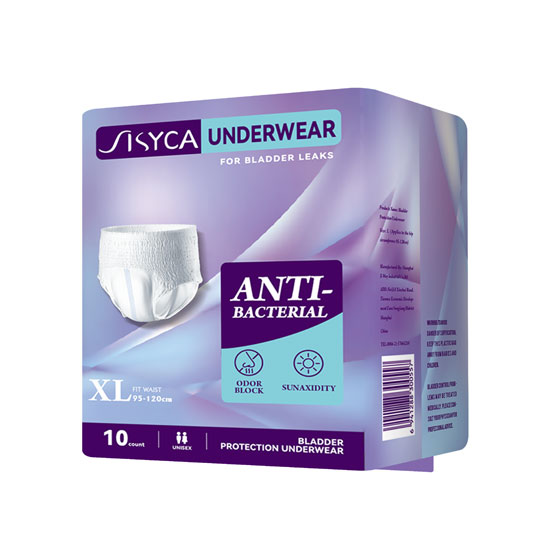
Pull-up pants are composed of multiple layers, each with a distinct function. The main components include:
- Absorbent Core – Captures and retains moisture efficiently.
- Inner Lining – Keeps skin dry and comfortable.
- Outer Layer – Prevents leaks while allowing breathability.
- Elastic Waistbands and Leg Cuffs – Ensure a snug fit and prevent gaps.
- Leak Guards – Provide side protection to prevent overflow.
A carefully engineered pants design ensures these layers work together seamlessly. Modern designs often incorporate contoured shapes and multi-directional elastic features, which enhance fit, reduce sagging, and prevent leaks during movement. Understanding the interplay between these components is critical, as even high-quality absorbent materials can fail without a well-structured design.
Absorbent Core: How It Works
The absorbent core is the heart of pull-up pants and determines their overall effectiveness. Most cores combine fluff pulp and super absorbent polymers (SAP) to maximize liquid retention. The fluff pulp absorbs the initial flow, while the SAP locks away moisture, forming a gel that prevents leakage.
Above the core, an Acquisition Distribution Layer (ADL) rapidly disperses liquid across the absorbent area, preventing localized saturation and keeping the surface dry. Advanced pull-up pants may use layered ADLs or gradient density cores to enhance absorption speed and reduce bulk. This sophisticated material structure ensures that users remain comfortable even during prolonged use, and helps maintain skin integrity by minimizing wetness in contact areas.
Industry note: The ratio of SAP to pulp, core thickness, and ADL placement can significantly affect leakage protection, dryness, and comfort. High-end products carefully balance these factors for maximum performance.
Breathable Outer Layer: Keeping Skin Dry
The outer layer is typically made of a breathable waterproof back film, which serves two critical functions: preventing leaks and allowing airflow. Breathable films are engineered to block liquid while permitting water vapor to escape, reducing heat and humidity buildup that could irritate the skin.
Additionally, leak guards along the side seams act as secondary barriers. These components are usually made of soft elastic materials lined with fluid-repellent films, effectively catching overflow before it escapes. The combination of a high-quality back film and leak guards ensures that the pull-up pants maintain dryness, even during active movement or overnight use.
From a user perspective, breathable outer layers also improve comfort by reducing clamminess and heat retention, which is particularly important for sensitive skin or prolonged wear.
Elastic Waistbands and Leg Cuffs
A 360° elastic waistband allows pull-up pants to conform to the body’s natural shape, ensuring a snug yet comfortable fit. These waistbands are designed to stretch in multiple directions, accommodating movement while preventing gaps that could lead to leaks.
Leg cuffs, often paired with inner elastic gathers, provide additional security against side leakage. The materials used—soft, stretchable elastomers—must balance durability with softness to avoid skin irritation. Some advanced pull-up pants also incorporate high-compression zones at the waistband and legs to improve fit for different body types.
The synergy between waistbands, leg cuffs, and overall pants design is essential. Even a superior absorbent core cannot perform optimally if the elastic features allow liquid to escape at the waist or thighs.
Soft Inner Linings for Sensitive Skin
The inner lining is in direct contact with the user’s skin and is crucial for comfort and skin health. Most pull-up pants use soft non-woven fabrics that wick moisture away from the skin and provide a gentle, breathable surface.
High-quality linings work together with the super absorbent core and ADL to keep skin dry, reduce friction, and minimize the risk of rashes. For infants and individuals with sensitive skin, some products also include dermatologically tested or hypoallergenic linings to enhance safety.
Material selection here affects not just comfort but also hygiene. Fabrics that allow air circulation while maintaining a soft touch help prevent bacterial growth, ensuring healthier skin over extended wear periods.


